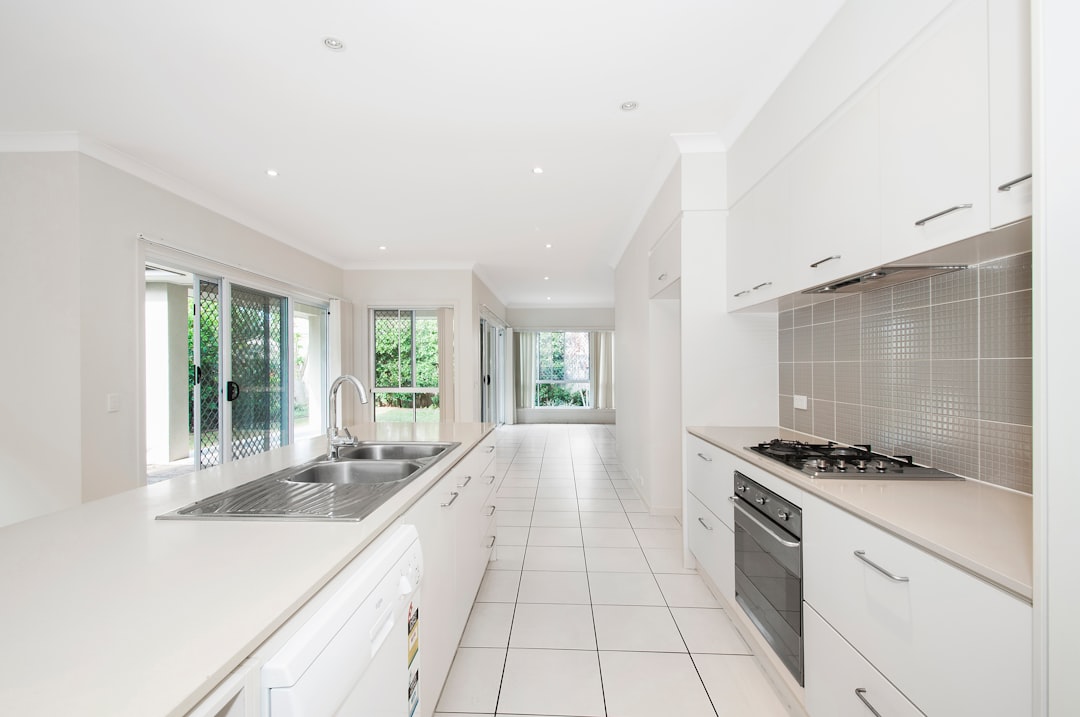
In the competitive world of real estate, a kitchen’s appeal can make or break a sale. Restoring kitchens to their former glory or transforming them into modern masterpieces is a powerful strategy for homeowners looking to maximize their property’s value. However, many find themselves daunted by the task, especially when contemplating a house clearance before sale. This comprehensive guide delves into the art of kitchen restoration, offering insights and practical steps to ensure a successful and profitable renovation, even for those new to the process. By the end, you’ll be equipped to turn a mundane kitchen into a stunning selling point.
- Planning: Strategize with House Clearance Before Sale
- Execution: Restoring Kitchens: Step-by-Step Guide
- Maximizing Impact: Selling Points After Renovation
Planning: Strategize with House Clearance Before Sale
Restoring kitchens is a powerful way to increase a home’s appeal and value, but before you dive into renovations, strategic planning is crucial, especially when considering a house clearance before sale. This process involves more than just decluttering; it’s an opportunity to transform your space while managing potential legal and financial considerations. One of the key benefits of planning ahead is avoiding overcrowding in your new home. Efficient clearing allows for thoughtful design, ensuring your restored kitchen flows seamlessly into the rest of the living spaces.
Avoiding overcrowding means thoughtful planning of new layouts, especially if you’re downsizing. For instance, consider the optimal placement of appliances and furniture to create a functional, open layout. This strategic approach not only enhances the kitchen’s aesthetics but also its practicality. Additionally, navigating the tax implications of house clearance is essential. Depending on your location, the sale of certain items or the cost of professional clearing services might impact your tax liability. Consulting with a tax advisor familiar with these nuances can help you make informed decisions.
House clearance legal considerations and permits are another critical aspect. Local regulations often govern the disposal or recycling of various materials, particularly for larger clearances. For instance, some areas have specific rules for disposing of appliances or even furniture. Obtaining the necessary permits ensures your clearance process remains compliant, avoiding potential fines or delays. One practical step is to research these regulations in advance and, if needed, seek professional guidance. For instance, a specialized clearing company can assist with legal paperwork, ensuring a smooth transition during the sale.
To streamline this process, consider visiting us at Simplify Downsizing, where we offer efficient clearing techniques tailored to your needs. Our experts can help you plan, execute, and even advise on the best kitchen restoration strategies, ensuring your house clearance before sale is both effective and legal.
Execution: Restoring Kitchens: Step-by-Step Guide
Restoring kitchens is a powerful strategy to elevate a home’s appeal and value, especially when planning an estate liquidation or house clearance before sale. It involves more than just a cosmetic overhaul; it’s a meticulous process that requires careful planning and execution. This step-by-step guide delves into the art of kitchen restoration, addressing legal considerations, permits, and practical tips to ensure a successful transformation.
Step 1: Assess and Plan Begin by evaluating the kitchen’s current state, identifying areas needing attention. Is it a complete overhaul or a more nuanced refresh? Create a detailed plan outlining goals, budget, and timelines. Consider the layout, functionality, and aesthetic you wish to achieve. For instance, updating cabinets and countertops can dramatically change the space while replacing appliances and fixtures modernizes it.
Step 2: Legal Considerations and Permits Before diving into any renovation, understand local building codes and permits required for kitchen alterations. Consult with professionals or your local authority to ensure compliance. This step is crucial, especially when dealing with estate liquidation, as legal considerations protect both the homeowner and buyers. For instance, certain structural changes may necessitate specific permits, ensuring a smooth sale process.
Step 3: House Clearance and Preparation With a plan in place, initiate the house clearance process, removing unnecessary items to create space for restoration. This step often involves estate liquidation, where personal belongings are sold or donated, streamlining the renovation. Once cleared, prepare the kitchen by addressing any necessary repairs, ensuring a solid foundation for new installations.
Imagine a kitchen that once felt outdated and cluttered now transformed into a modern, inviting space. That’s the power of restoration. By following these steps—from planning to execution—you can create a selling point that draws in potential buyers. Remember, a well-restored kitchen doesn’t just increase the home’s value; it tells a story of care and attention to detail. And as the saying goes, "A home is where you cook your meals and create memories," so let’s ensure those kitchens are truly remarkable. If you’re unsure about any aspect, don’t hesitate to reach out to professionals who can provide guidance tailored to your situation, especially when navigating estate liquidation, with insights on de-cluttered living rooms sell faster: evidence or myth?
Maximizing Impact: Selling Points After Renovation
After meticulously restoring your kitchen to its former glory or even creating a whole new look, it’s time to think about how to maximize the impact of this renovation on your home’s resale value. The kitchen is often considered the heart of a home, and first impressions matter greatly in real estate. A stunning, functional kitchen can be a significant selling point, attracting potential buyers and potentially increasing your asking price.
One effective strategy is to consider a house clearance before sale. This involves decluttering and organizing your space, getting rid of items that may not interest new owners, and presenting a clean canvas for buyers to envision themselves in. By doing so, you create the illusion of more space and highlight the kitchen’s renovated features. For instance, clear out outdated appliances and replace them with energy-efficient models, showcasing modern aesthetics and potential savings for the next occupant. This process not only enhances the room’s visual appeal but also allows you to sell any collectibles or valuable items through a successful auction or clearance sale, maximizing profits.
Building a successful auction or planning a comprehensive estate sale goes hand in hand with kitchen renovation preparation. It involves careful curating of items for sale, pricing strategies, and marketing. For instance, consider the potential market for vintage kitchenware or unique decorative pieces within your restored kitchen. By strategically planning these sales, you can offset renovation costs and further enhance your home’s appeal to buyers. Remember, a well-organized and appealing space encourages offers and bids, ensuring a smoother transition for both you and the new owner.
Visit us at Create Harmonious Spaces That Sell: Tips for Interior Staging anytime to learn more about transforming spaces effectively. We provide expert advice tailored to different renovation scenarios, helping you prepare your kitchen (and home) for its best chance of selling successfully, with optimal profits in mind.
By strategically planning and executing a kitchen restoration, homeowners can significantly enhance their property’s value and appeal to potential buyers. The key lies in a meticulous approach, beginning with a thorough House Clearance Before Sale, which allows for a fresh start and informed design choices. Through a step-by-step renovation process, from replacing outdated fixtures to optimizing storage, every detail contributes to a modern, functional space. Understanding the art of selling points after renovation ensures that the kitchen’s transformation resonates with buyers, making it a standout feature that drives sales. This comprehensive guide equips readers with the tools to successfully navigate the kitchen restoration journey, yielding a valuable asset that not only meets current market demands but also adapts to future trends.
Restoring kitchens boosts home value, but strategic planning is key. House clearance before sale involves more than decluttering; it ensures efficient design, avoids overcrowding, and manages tax, legal, and financial aspects. Research local regulations and consider professional guidance. A well-planned kitchen renovation and clearance process enhances aesthetics, practicality, and resale value, creating a space that sells.